
Understanding Market Sentiment in Forex Trading

What Is Market Sentiment and Why It Matters
Market sentiment refers to the overall attitude of traders toward a particular currency or the forex market as a whole. Is the crowd predominantly bullish or bearish? Are traders optimistic and buying, or fearful and selling? Sentiment analysis attempts to gauge this collective mood and use it to inform trading decisions. While technical analysis examines price action and fundamental analysis examines economic data, sentiment analysis examines the psychology of market participants themselves. Understanding sentiment gives you a unique edge because markets are driven not just by data but by how traders interpret and react to that data — and those reactions are often predictable.
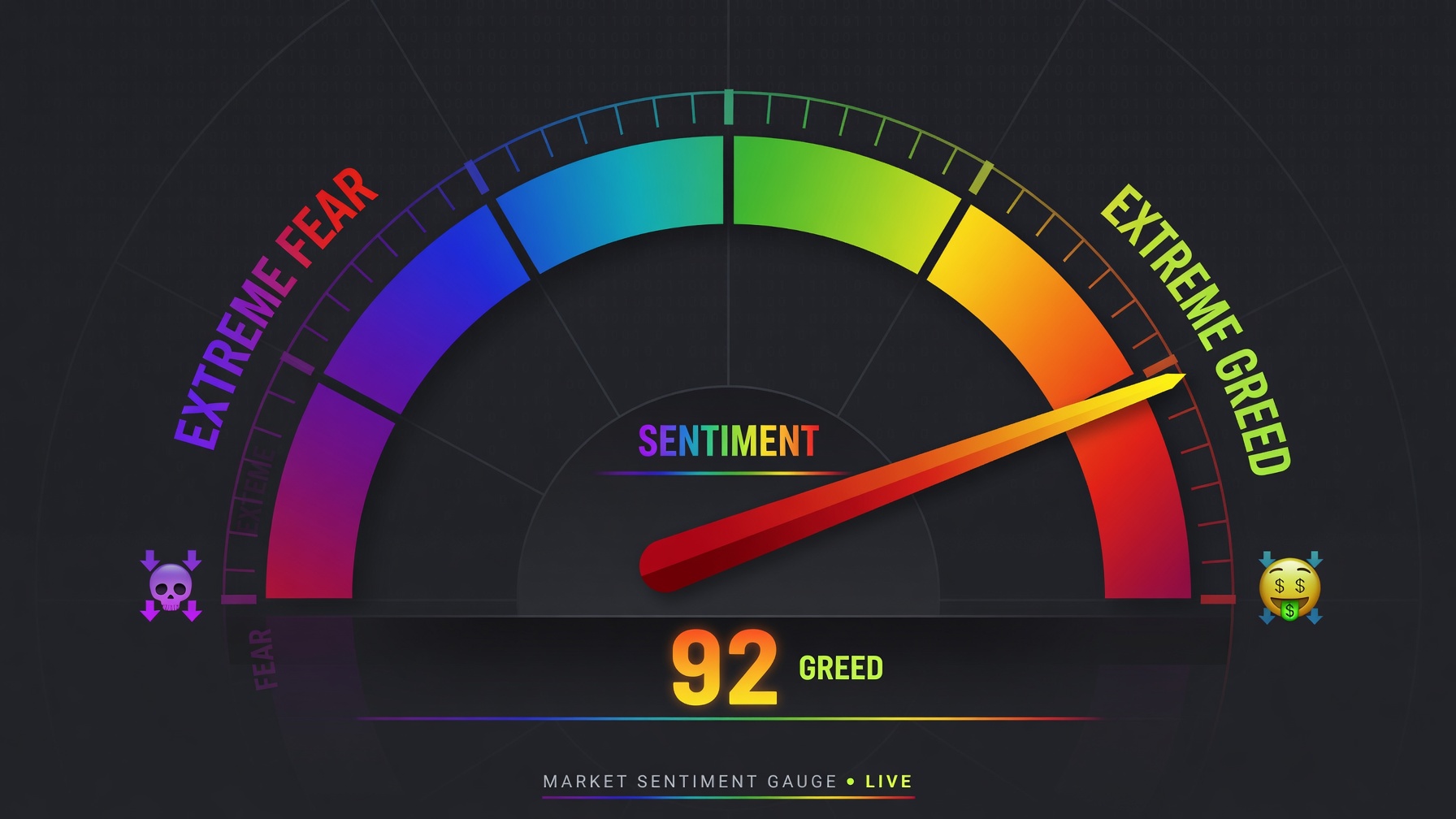
The reason sentiment analysis works so well is rooted in the concept of market extremes. When nearly everyone is bullish on a currency, there may be very few buyers left to push prices higher — the bullish sentiment is already fully priced in, and the market is vulnerable to a reversal. Conversely, when sentiment reaches extreme bearish levels, most of the selling may already be done, creating conditions for a bounce. This contrarian approach — buying when everyone else is fearful and selling when everyone else is greedy — has been a hallmark of successful trading for generations. However, sentiment is not a timing signal on its own. It works best when combined with technical analysis to identify precise entry and exit points at sentiment extremes.
Why Sentiment Analysis Gives You an Edge
When everyone is bullish, there may be few buyers left to push prices higher — a contrarian signal that often marks market tops. The logic is straightforward: if 90% of traders are already long on EUR/USD, who is left to buy? The fuel for further upward movement is exhausted. Conversely, when sentiment reaches extreme bearish levels, most potential sellers have already acted, reducing downward pressure and creating conditions for a reversal. This does not mean you should always trade against the crowd — trends can persist for long periods with strong sentiment behind them. But when sentiment reaches extreme levels that are statistically unusual, the probability of a reversal increases significantly. Sentiment extremes are not precise reversal signals, but they warn you to be cautious about adding to positions in the direction of the extreme and to watch for technical reversal patterns.
How to Measure Market Sentiment
- COT reports (Commitment of Traders) — published weekly by the CFTC, these reports show the net long or short positions of different trader categories: commercial hedgers (often considered "smart money"), large speculators (hedge funds and institutions), and small speculators (retail traders). When small speculators are extremely net long and commercial hedgers are extremely net short, it often signals an approaching market top. The COT report is the most comprehensive sentiment tool available and has been used by professional traders for decades to gauge positioning extremes in major currency futures.
- Retail trader data — many forex brokers publish aggregated data showing what percentage of their clients are long or short on each currency pair. This data is freely available on broker websites and provides a real-time snapshot of retail sentiment. When 70% to 80% or more of retail traders are positioned in one direction, it often acts as a contrarian indicator. The logic is that retail traders tend to be wrong at major turning points because they trade emotionally and follow the crowd.
- Volatility indices — the VIX (Volatility Index) for US stocks and similar forex volatility measures reflect market fear levels. Extremely high readings indicate panic and often mark market bottoms. Extremely low readings signal complacency and may precede sharp moves. In forex, implied volatility derived from options pricing gives a similar read on market fear.
- Surveys and news analysis — investor confidence surveys, such as the AAII Sentiment Survey for stocks or currency-specific sentiment polls, provide qualitative data on market mood. Media analysis — tracking whether headlines are predominantly bullish or bearish — can also reveal when sentiment is reaching an extreme. If every financial news outlet is running stories about a currency's strength, it may be time to exercise caution.
- Positioning data from futures and options — open interest data and put/call ratios reveal how options traders are positioned in currency markets. Extreme imbalances in options positioning often precede significant market moves as options expiry dates approach.
Using Sentiment in Your Trading Strategy
Sentiment analysis is most powerful when used as a filter rather than a standalone signal. Start by determining the overall trend on the daily chart using technical analysis. Then check sentiment data: if the trend is bullish and sentiment is only moderately bullish, the trend likely has room to continue. If the trend is bullish but sentiment is at extreme bullish levels, be cautious about entering new longs and watch for reversal patterns. The ideal scenario for a contrarian trade is when sentiment is extremely bearish but technical analysis shows price forming a bullish reversal pattern at a clear support level. This confluence of sentiment extreme and technical confirmation provides a high-probability entry. Always use proper risk management, because sentiment can remain extreme for longer than you can remain solvent — trends can persist even when most participants are already positioned in the direction of the trend.
The Limitations of Sentiment Analysis
Sentiment data has important limitations. First, it is a lagging indicator — the COT report, for example, is published several days after the positioning snapshot, by which time the market may have already moved. Retail trader data from brokers is more timely but represents only a subset of market participants and may not reflect institutional positioning. Second, sentiment can remain at extreme levels for extended periods during strong trends — selling simply because sentiment is bullish in the middle of a powerful uptrend can lead to significant losses. Third, the correlation between sentiment extremes and market turns is probabilistic, not deterministic. Not every extreme leads to a reversal; sometimes the market simply trends harder. Use sentiment as one input among many, not as a standalone decision-making tool.
Practical Tips for Sentiment Trading
Combine sentiment data with clear technical levels. A sentiment extreme at a major support or resistance level is far more significant than an extreme in the middle of a range. Watch for divergences between price action and sentiment — if price is making new highs but sentiment is failing to reach new extreme levels, it suggests the trend is losing conviction and may be nearing its end. Keep a sentiment log alongside your trading journal, noting the sentiment readings at each trade entry and exit, and look for patterns in how sentiment influenced your decisions. Use multiple sentiment sources — COT, retail data, volatility indices — for a more complete picture. No single sentiment gauge is perfect, but together they provide valuable context for your trading decisions.
Conclusion
Market sentiment analysis reveals how other traders are positioned and whether the crowd is leaning too far in one direction. Use COT reports, retail trader data, volatility indices, and surveys to gauge the prevailing mood. Apply sentiment as a filter within your broader trading system — go long when sentiment is extremely bearish and technicals show a reversal pattern at support; be cautious when sentiment is extremely bullish and you are considering adding to long positions. Remember that sentiment can stay extreme during strong trends, so always wait for technical confirmation before acting on a sentiment signal alone. When you combine sentiment analysis with sound technical and fundamental analysis, you add a powerful psychological dimension to your trading that gives you a genuine edge over traders who only look at price and ignore the crowd.
A passionate writer and content creator.
Community Comments
Please log in to comment on this blog post.
Log InNo comments yet. Be the first to comment!